

Key Takeaways
A sensible laminate flooring budget starts with more than the plank price. Measure carefully, compare the full installed cost, and choose a finish that suits the way each room is used.
- Compare material, underlay, labour, trims, and preparation rather than relying on a headline price.
- Check colour, texture, thickness, locking system, durability rating, and warranty together.
- Use laminate confidently in living areas and bedrooms, but treat wet zones with caution.
- Inspect samples and confirm stock, batch consistency, returns, and installation details before ordering.
- Protect the finished floor with the quick cleanup of any spills, using felt pads, and sensible everyday care.
Understand laminate flooring costs in Adelaide
The cost of affordable laminate flooring Adelaide homeowners see advertised is only one part of the final budget. Room size, access, floor condition, product grade, and installation method can all shift the total. A useful quote should make those variables visible instead of hiding them inside one broad figure. Mr Timber Flooring supplies and installs laminate flooring as part of a wider flooring range, drawing on more than 50 years of experience in the industry.
What affects the price per square metre
Laminate is commonly priced by square metre, but the rate depends on the board’s finish, construction, thickness, durability rating, and included accessories. A basic product may suit a lightly used bedroom, while a busier household may benefit from a more durable specification. Also check whether the quoted rate includes GST, delivery, underlay, and installation.
The cheapest plank is not automatically the cheapest project. A product that cuts cleanly, locks reliably, and is available in sufficient quantities can reduce waste and delays, which matters when several rooms are being completed at once.
Material, underlay, and installation costs
Separate the estimate into materials, underlay, labour, and finishing pieces. Underlay can help with comfort, sound, and minor surface irregularities, but it must be compatible with the flooring and the subfloor. Installation costs may rise where rooms are furnished, access is difficult, or detailed cutting is needed around doorways and cabinetry.
A clear quote should identify what happens at the edges of the room. Scotia, skirting adjustments, stair nosings, transition strips, and door trimming can make a noticeable difference to the completed price.
How room size and layout change the budget
A simple rectangular room is easier to measure and lay than a space with alcoves, angled walls, built-in cupboards, or several door openings. Larger rooms may have a lower labour cost per square metre, but they require more boards, underlay, and time. Add a sensible allowance for cutting waste without buying so much extra that unopened cartons become a costly leftover.
For a first estimate, measure each room separately and record its length, width, and unusual features. Combining the measurements later makes it easier to compare quotes on the same basis.
Extra costs for removal, trims, and subfloor preparation
Existing carpet, adhesive, old floating floors, and damaged boards may need removal before new flooring can be installed. The subfloor may also require cleaning, levelling, drying, or repairs. These tasks are easy to overlook because they are not visible in a showroom sample, yet they strongly affect the quality of the finished surface.
Use the following checklist when requesting a full project estimate:
- Removal and disposal of existing floor coverings.
- Subfloor testing, levelling, patching, or moisture checks.
- Underlay, trims, transition strips, and door adjustments.
- Delivery, installation, and allowance for cutting waste.
Once these items are listed separately, it becomes much easier to compare two apparently different quotes. It also reduces the chance of an unexpected charge after the work has started.
Compare laminate flooring styles and quality
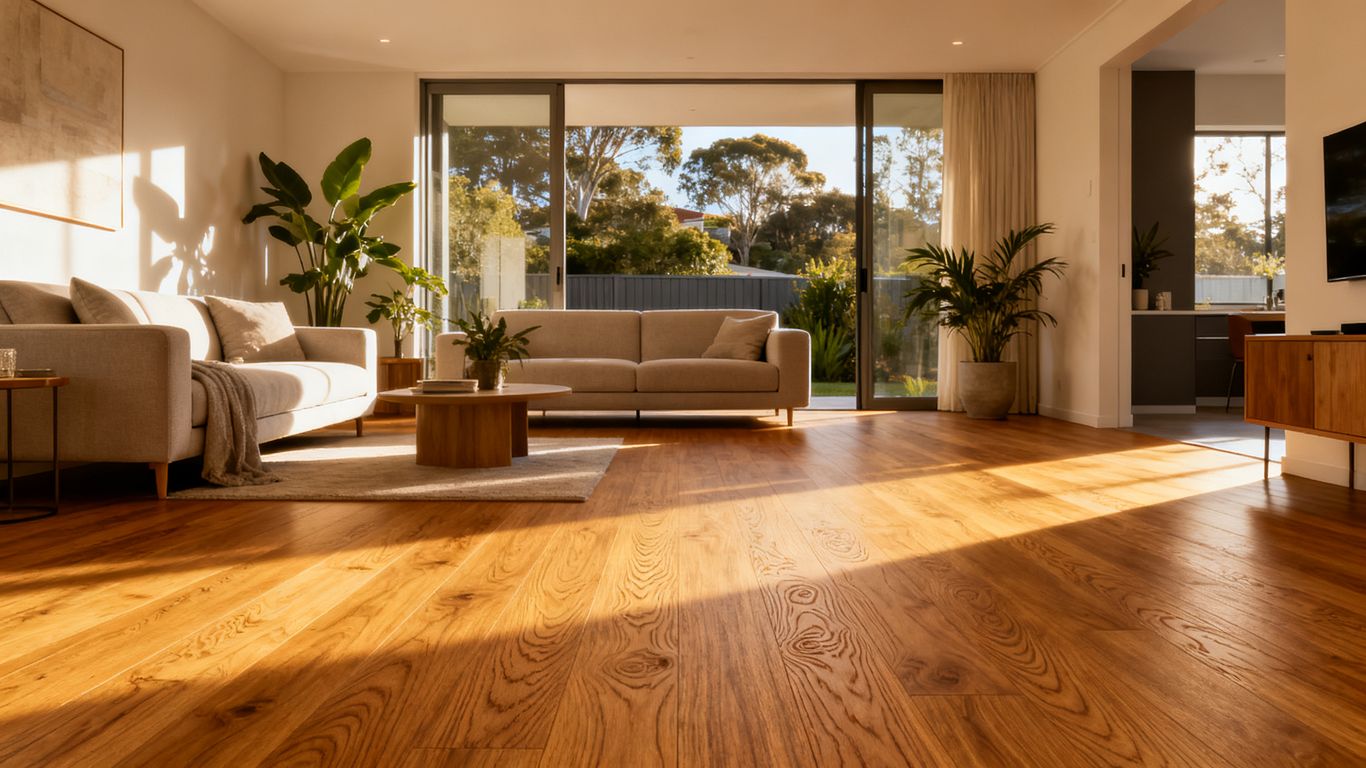
Laminate flooring has moved well beyond a single imitation-timber look. Adelaide homes can suit pale oak, warm brown, deeper walnut tones, and quieter neutral finishes, with surface textures that change how the boards look in daylight. The right choice balances appearance with performance rather than treating style and quality as separate decisions.
Popular wood-look colors and textures
Light oak and washed timber tones can make a compact room feel open, while mid-tone browns create a warmer, more traditional setting. Greyed finishes can work with contemporary interiors, although cooler colours may feel stark beside blue-white lighting. Grain variation, embossed texture, bevelled edges, and plank width also influence whether a floor looks understated or highly expressive.
Take samples home and view them beside cabinetry, walls, upholstery, and natural light. A floor that looks balanced in a bright showroom may appear quite different in an Adelaide room with afternoon sun.
AC ratings and durability levels
Durability ratings are useful when matched to actual household traffic. Consider entrances, pets, children, rolling desk chairs, and whether grit is regularly tracked inside. A higher rating may be sensible for a busy hallway, but it is still worth checking the product’s warranty conditions and care requirements rather than choosing by rating alone.
Think about the whole floor system, including the surface layer, board construction, locking profile, and installation quality. The right specification is the one that fits the room’s use and the owner’s maintenance habits.
Water-resistant options for kitchens and living areas
Some laminate products are designed to resist surface moisture, which can be helpful in kitchens, dining areas, and living rooms where occasional spills are likely. Water resistance does not necessarily mean a floor is suitable for standing water or constant dampness. Follow the product instructions closely, especially around joins, edges, appliances, and cleaning methods.
In open-plan homes, a water-resistant option can provide visual continuity between cooking and living spaces. It still needs prompt spill management and careful installation at vulnerable perimeter areas.
Thickness, locking systems, and warranty coverage
Board thickness can affect feel, acoustic performance, and how well the floor sits with neighbouring surfaces, but thicker is not automatically better for every project. A dependable locking system helps boards fit together accurately, while a suitable underlay supports the installation. Read the warranty for residential or commercial limits, exclusions, required installation conditions, and approved cleaning products.
Keep the product label, batch information, invoice, and spare cartons after installation. Those details are useful if a repair is needed later or if more boards must be matched.
Choose the right flooring for each room
Laminate works best where the room is reasonably dry, the subfloor can be prepared properly, and everyday cleaning is controlled. It can create a consistent flow from one living zone to another, but each area still deserves a practical assessment. Consider moisture, traffic, furniture, sunlight, and the consequences of future repairs before committing to one finish throughout the home.
Best options for bedrooms and living rooms
Bedrooms and living rooms are often well suited to laminate because they usually have controlled moisture and benefit from a warm timber appearance. A quieter texture and moderate colour variation can create a calm backdrop for furniture, while a stronger grain can add character to a larger open-plan area.
Choose a finish that will still work if the room’s furnishings change. Neutral oak and balanced mid-tones tend to be flexible, particularly when the flooring continues through adjoining spaces.
Considerations for hallways and high-traffic areas
Hallways receive repeated footfall, grit, turning movement, and impact at thresholds. Use a product whose durability and warranty suit that level of use, and plan the board direction so the space feels connected rather than visually broken. Good entrance mats and regular sweeping are as important as the product specification.
Pay close attention to transitions into tile, carpet, or exterior doors. These points often experience more wear than the middle of the hallway and should be finished neatly and securely.
When laminate may not suit bathrooms or wet zones
Bathrooms, laundries, and areas exposed to frequent standing water need particular caution. Laminate may not be the appropriate choice where moisture can enter joints, reach the subfloor, or remain around fixtures. The product instructions and installer’s assessment should take priority over a general claim that a finish is water resistant.
If a wet zone is central to the renovation, compare flooring categories designed for that environment before ordering laminate. A visually similar alternative may be more practical than trying to adapt an unsuitable product.
Matching flooring with Adelaide home interiors
The character of an Adelaide home can guide the choice without dictating it. Coastal interiors often suit light, relaxed timber tones; heritage details can work with warmer boards; and minimalist renovations may benefit from restrained grain and wider planks. Sample testing helps connect the floor with brick, stone, painted joinery, and existing timber.
Aim for a deliberate relationship between floor colour and the room’s fixed elements. Matching everything too closely can flatten the scheme, while a modest contrast gives the flooring definition.
Find affordable laminate flooring suppliers in Adelaide
Supplier comparison should cover more than the displayed product price. Ask about stock, batch availability, delivery access, installation preparation, warranties, and what happens if cartons are damaged or short. A local showroom can provide useful tactile information, while an online retailer may make price comparison faster.
Comparing local showrooms and online retailers
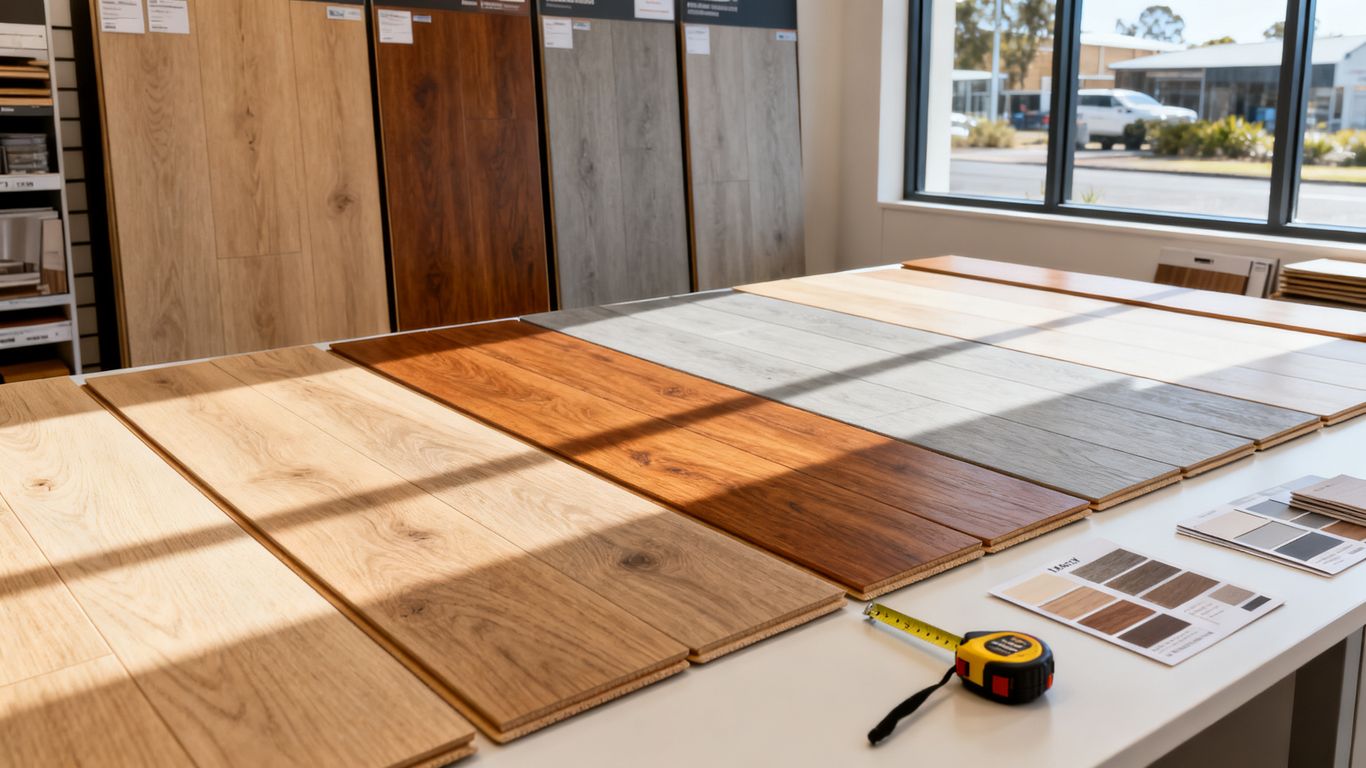
Showrooms let you handle samples, inspect surface texture, and discuss room-specific concerns. Online listings can help you compare colours and specifications, but photographs may not show sheen, embossing, or the scale of a plank accurately. If you are comparing suppliers, use the same room measurements and ask each one to price the same scope of work.
Mr Timber Flooring offers flooring supply and installation across products including laminate, alongside its broader timber and hybrid range. Its more than five decades in the flooring industry may be useful to homeowners who want experienced advice while comparing materials.
Evaluating clearance and discounted flooring
Clearance flooring can reduce the material cost, especially when the available quantity matches a small room or a defined renovation area. Before buying, confirm that the stock comes from one consistent batch and that enough cartons are available for waste and future repairs. Discounted products may be discontinued, so replacement boards could be difficult to source later.
A clearance flooring selection can be worth checking, but compare the full specification rather than assuming a reduced price means poor quality. Confirm the grade, dimensions, warranty, and return conditions before paying.
Checking samples before placing an order
A sample should be viewed in the actual room at different times of day. Place it beside doors, skirting, cabinetry, and large furniture, then inspect how the grain and colour change in direct and indirect light. If the order is large, keep a sample or photograph of the confirmed product for reference.
Also check the board dimensions and carton coverage. Small differences in width, length, or surface finish can affect the pattern and the amount of cutting waste.
Questions to ask about stock, warranties, and returns
Before placing an order, ask who is responsible for measuring, delivery, acclimatisation if required, and installation. Confirm whether unopened cartons can be returned and whether opened or cut boards are excluded. A written answer is preferable when the project involves multiple rooms or a staged renovation.
Mr Timber Flooring provides free delivery to metro areas Australia-wide, according to its published business information, so delivery terms should still be checked against the specific Adelaide address and order. Ask these practical questions before committing:
- Is the full quantity available from one batch?
- What does the warranty cover, and what conditions apply?
- Are trims, underlay, delivery, and installation included?
- What is the process for damaged cartons or missing boards?
The answers will reveal whether a low material price remains good value once the project is delivered and completed.
Plan a successful laminate flooring installation
A good installation begins before the first carton is opened. Accurate measurements, a stable subfloor, sensible scheduling, and clear decisions about thresholds all help prevent avoidable delays. Whether the work is completed by an experienced installer or a capable homeowner, preparation determines much of the final appearance.
Measuring rooms accurately
Measure the longest and widest points of each room, then record recesses, cupboards, fireplaces, doorways, and awkward corners. Do not assume adjoining rooms form a perfect rectangle. A simple sketch with dimensions gives the supplier or installer something more reliable than a single total area.
Add an appropriate allowance for cuts and waste, with extra care around irregular layouts. Ordering too little can create a batch-matching problem, while ordering far too much ties up money in unused cartons.
Preparing the subfloor
The subfloor should be clean, dry, stable, and sufficiently even for the selected product. Remove loose material, deal with raised points, and address significant dips or damage before underlay and boards are installed. Existing moisture concerns should be investigated rather than concealed.
Preparation can take longer than laying boards, but it is not a stage to rush. Unevenness may telegraph through the finished surface, stress locking joints, or create movement and noise.
Deciding between DIY and professional installation
DIY installation can suit a straightforward room when the homeowner has the tools, time, and confidence to prepare the subfloor and complete detailed cuts. Professional installation may be preferable for large areas, complex layouts, multiple transitions, or projects where a warranty depends on specified installation conditions.
Compare the value of saved labour with the cost of mistakes, tool hire, disposal, and lost time. A written scope should state who handles preparation, trims, furniture movement, and cleanup.
Allowing for expansion gaps and transition strips
Floating floors need appropriate perimeter clearance so boards can respond to normal changes in temperature and humidity. The gap is usually concealed with skirting, scotia, or another finishing detail, while transition strips manage changes in height or flooring type between rooms.
Plan these details before laying the first row. Door jambs, kitchen cabinets, stairs, and narrow passages can limit movement and affect the direction in which boards should run.
Maintain laminate flooring for long-term value
Laminate is relatively straightforward to maintain when cleaning is gentle and moisture is controlled. Daily habits matter more than occasional intensive treatment, particularly in entrances and dining areas. Keeping spare boards and product information can also make future repairs less stressful.
Everyday cleaning and spill management
Sweep or vacuum regularly with a suitable hard-floor setting to remove grit before it scratches the surface. Clean small spills promptly with a lightly damp cloth, and avoid leaving wet mops, buckets, or saturated materials on the floor. Use only products approved for the specific flooring rather than assuming a timber cleaner is suitable.
A small entrance mat can catch much of the sand and moisture brought indoors. Keep it clean so it continues to work instead of becoming another source of grit.
Protecting floors from furniture and pet damage
Fit felt pads to chair and table legs, lift furniture instead of dragging it, and use suitable mats beneath rolling chairs. Pet claws, grit, and water bowls can all contribute to wear, so regular nail care and a washable mat near bowls are sensible precautions.
Strong sunlight may gradually affect some finishes, so curtains, blinds, or considered furniture placement can help moderate exposure. Check the manufacturer’s guidance before applying any protective coating.
Fixing scratches, chips, and lifted boards
Minor surface marks may be less noticeable after careful cleaning and can sometimes be treated with a manufacturer-approved repair product. A chipped board or lifted joint needs closer inspection to identify whether the cause is impact, moisture, movement, or an installation issue.
Do not force a lifted board flat or flood the area while cleaning. Photograph the damage, retain the product details, and ask for advice if the affected area is spreading or sits near a wet zone.
Knowing when replacement is more practical than repair
Replacement is often more sensible when boards are swollen, repeatedly separating, or damaged across a large area. It may also be the better option when the original finish is discontinued and a patch would look noticeably different. Spare cartons make isolated repairs easier, especially in visible rooms.
Consider the cause before replacing anything. If moisture, an uneven subfloor, or a failed transition remains unresolved, new boards may suffer the same problem.
Conclusion
Affordable laminate flooring Adelaide homeowners can live with starts with a complete view of the project: product quality, room suitability, preparation, installation, and care. Compare like-for-like quotes, inspect samples in natural light, and choose a specification that matches how each space is used. A measured decision is usually better value than the lowest advertised price.
Frequently Asked Questions
Is laminate flooring affordable in Adelaide?
Laminate can be a cost-effective flooring option, but the final price depends on the product, room size, preparation, trims, delivery, and installation. Compare the complete project cost rather than the plank price alone.
How much extra flooring should I order?
The allowance depends on the room shape, board layout, and cutting requirements. Straightforward rooms generally need less extra material than spaces with alcoves, angled walls, or many doorways.
Is laminate suitable for a kitchen?
It can suit a kitchen when the selected product allows that use and spills are cleaned promptly. Pay particular attention to joins, edges, appliances, and the manufacturer’s moisture guidance.
Can laminate flooring be installed over an existing floor?
Sometimes, but the existing surface must be suitable, stable, clean, dry, and sufficiently even. Doors, transitions, and floor height should also be checked before installation.
Is thicker laminate always better?
Not necessarily. Thickness is one factor among several, including construction, locking system, underlay, durability rating, warranty, and suitability for the room.
How should laminate flooring be cleaned?
Sweep or vacuum regularly and use a lightly damp cloth for spills. Avoid excessive water, steam, abrasive products, and cleaners that are not approved for the flooring.
When should damaged laminate be replaced?
Replacement is more practical when boards are swollen, repeatedly lifting, badly chipped, or damaged across a broad area. Resolve the underlying moisture or subfloor issue before installing new boards.