

Key Takeaways
A well-planned timber floor balances appearance, everyday use, and the conditions in the building. A little care with selection and preparation can make the process clearer from the first sample to the finished room.
- Choose timber and flooring construction to suit the room’s use and site conditions.
- Consider board dimensions, layout, color, and finish together rather than in isolation.
- Compare quotes by checking what materials, preparation, and installation work they include.
- Confirm the subfloor, installation method, and acclimatization requirements before fitting.
- Follow care guidance suited to the floor’s finish, and address spills and scratches promptly.
What custom timber flooring involves
Custom timber flooring is a way to make deliberate choices about the floor’s material, appearance, and fit rather than simply selecting a standard board from a shelf. The right decisions depend on the building, the room, and how the floor will be used. In Australia, custom timber flooring Australia projects can range from choosing a particular board size and finish to coordinating flooring across multiple rooms. The aim is a floor that feels considered and works in the space over time.
How custom flooring differs from off-the-shelf boards
Off-the-shelf boards typically come in set sizes, finishes, and product ranges, while a custom order may allow more control over those details. The term “custom” can mean different things between suppliers, so ask which choices are genuinely available and which are fixed by the product. Some decisions may concern appearance; others affect how much material is needed and how the floor will be installed. Clarifying the scope before ordering helps avoid expecting a level of variation the supplier does not offer.
The role of timber species, grade, and finish
Species influences the floor’s natural color and grain, while grade describes the amount and character of visible features such as knots or variation. Finish also changes the look and the way a floor is maintained, so it is worth comparing samples in the room where they will be used. The combined effect of these choices matters more than any one sample viewed under showroom lighting. Ask for clear descriptions of the proposed species, grade, and finish, and check whether the supplied product will match the sample closely or show natural variation.
When custom flooring suits a home or commercial space
Custom choices can be useful when a renovation has an unusual room shape, a specific interior palette, or a need to coordinate adjoining areas. Commercial settings have their own demands, including regular foot traffic and cleaning routines, so appearance is only one part of the brief. A commercial flooring guide can help frame the kinds of questions to raise about use and design. In either setting, discuss the actual site conditions and intended use with the supplier before settling on a product.
Choosing timber for Australian conditions
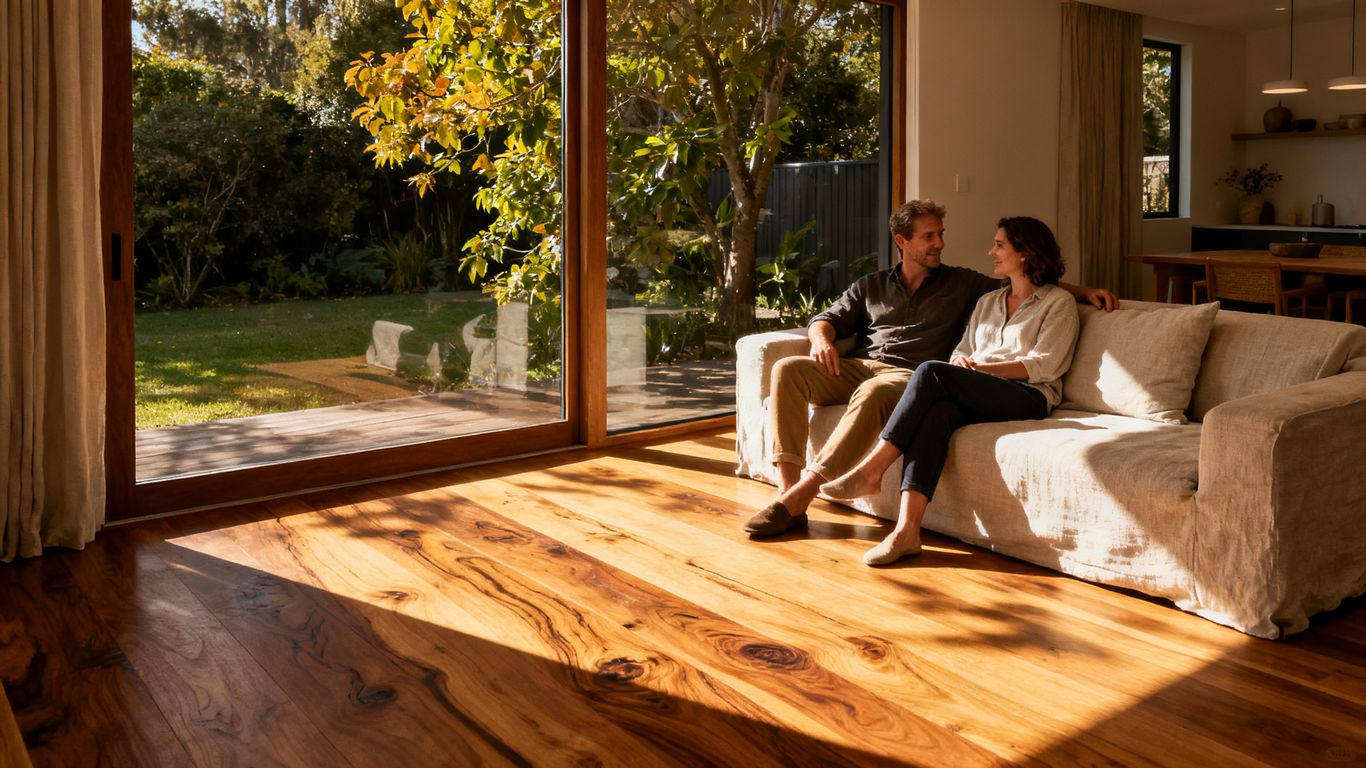
Australian homes experience varied climates, from humid coastal locations to drier inland areas, and indoor conditions can change with seasons and air conditioning. Sunlight, room use, and the building’s construction also affect how a floor performs. Rather than choosing by color alone, compare the product information with the conditions in the space. Better Timber Flooring supplies and installs solid timber, engineered, hybrid SPC, laminate, and recycled flooring options, so the available format can be considered alongside the timber and finish.
Australian species and imported alternatives
Australian timber species offer a range of natural tones and grain patterns, while imported alternatives add further choices in appearance and product format. Neither origin alone determines whether a particular floor is right for a room; product construction, finish, and installation requirements matter too. For a starting point on native hardwoods, browse this overview of Australian hardwood species. Then request samples and compare them with the room’s fixed elements, such as cabinetry and wall color.
Matching timber to humidity, sunlight, and room use
Timber responds to its surroundings, so the expected indoor humidity and temperature range should be part of the product discussion. Rooms with strong sunlight may show color change over time, and busy spaces call for careful consideration of surface finish and maintenance. Ask the supplier for product-specific guidance rather than assuming that all timber boards respond in the same way. A sample viewed at different times of day can also reveal how the color sits in the room’s changing light.
Considering durability, stability, and maintenance
Durability is not a single quality that can be assessed by appearance alone. Consider the way the room is used, the construction of the flooring, the finish, and the maintenance routine you are prepared to follow. These broad categories can help organize an initial conversation with a supplier:
| Flooring option | Useful question to ask | Planning point |
|---|---|---|
| Solid timber | What are the product’s installation requirements? | Confirm suitability for the site and subfloor. |
| Engineered timber | What product-specific care is recommended? | Compare construction and finish details. |
| Hybrid SPC or laminate | What installation guidance applies? | Check the product specification and room conditions. |
| Recycled flooring | What variation should be expected? | Review samples and available quantities. |
The table is a prompt for questions, not a substitute for the product specification. Ask for written guidance on installation and care for the exact floor under consideration, especially when rooms have different conditions or uses.
Designing a floor to suit your space
Floor design involves more than selecting a timber color. Board proportions, the direction of the planks, and the relationship to adjoining materials all shape the finished room. Consider the floor alongside the dimensions, natural light, and furniture plan, rather than making each decision separately. Samples and a measured layout can make those choices easier to judge before materials are ordered.
Selecting board width, length, and thickness
Wider boards can create a different visual rhythm from narrower ones, while board length affects how often end joints appear across the room. The dimensions available depend on the product, so confirm what can be supplied in the chosen species and construction. Thickness is also relevant to transitions, door clearances, and the finished floor height. Checking those measurements early can prevent awkward changes where the new floor meets another surface.
Comparing plank layouts and patterns
A straight plank layout is a familiar option, but the direction of installation can change how a room reads. In a long, narrow space, the relationship between plank direction and the room’s shape is worth discussing with the installer. More involved patterns may require additional planning and careful measurement. Ask for a layout proposal where the floor meets doorways, stairs, or adjoining rooms, since those edges often determine whether the design feels continuous.
Coordinating colour and finish with your interior
Timber tones can look quite different beside warm or cool wall colors, and the finish influences how much grain and surface detail stands out. Compare samples against existing cabinetry, trim, and furniture, ideally in both daylight and evening lighting. Better Timber Flooring specializes in engineered timber flooring and hardwood floorboards, making those product categories relevant starting points when comparing a design direction. Keep the decision grounded in the room: a floor should complement its surroundings without relying on a sample viewed in isolation.
Understanding costs and project planning
The total cost of a flooring project depends on more than the boards themselves. Site preparation, product selection, installation details, and the size and shape of the area can all affect the quote. A clear brief makes it easier to compare proposals on the same basis. Build in time to confirm measurements and product availability before setting a firm installation date.
What affects the price of custom timber flooring
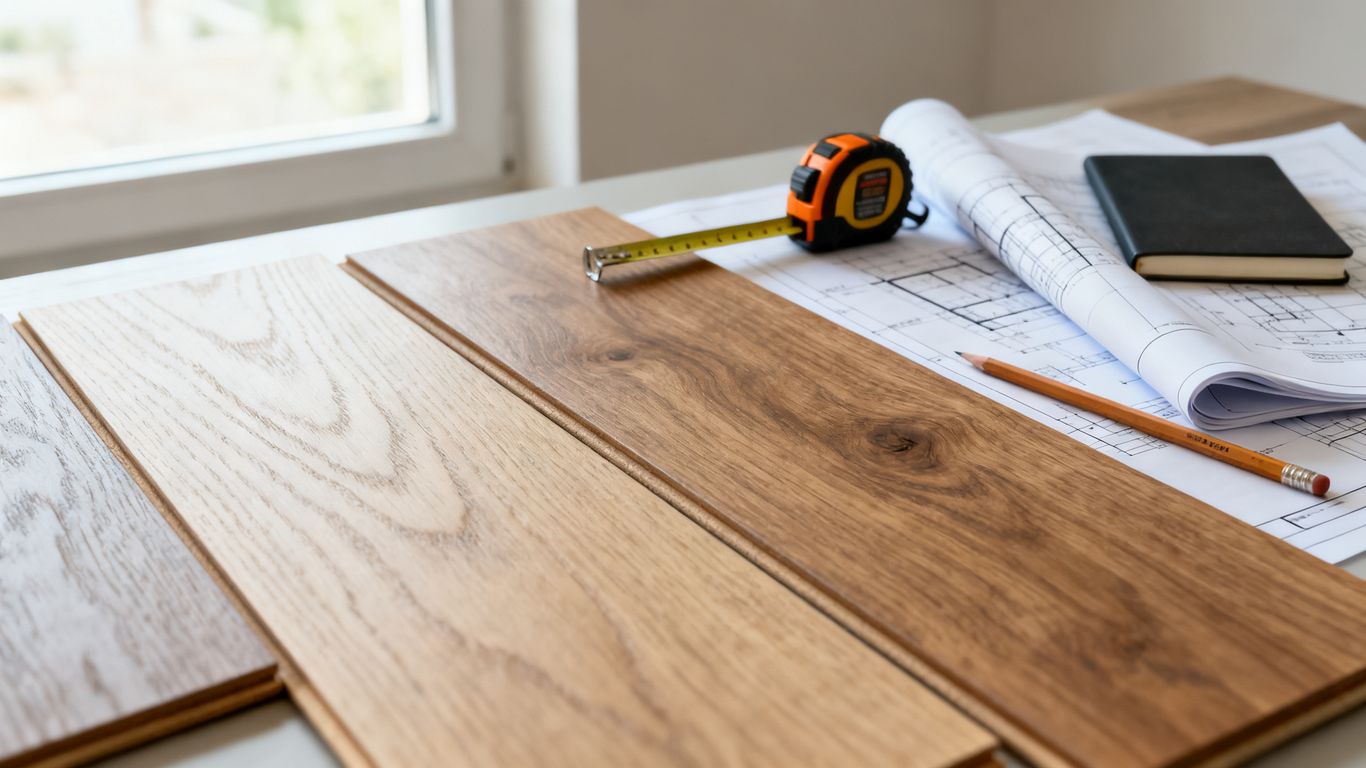
Species, grade, finish, board dimensions, and product construction all influence the material price. The site can add costs if the subfloor needs preparation or if the layout involves many transitions, stairs, or irregular edges. Quotes may also differ in what they include, so check whether the price covers removal of existing flooring, preparation, installation, finishing, and disposal. A lower initial figure is difficult to assess fairly until those inclusions are clear.
How to set a realistic budget and timeline
A useful budget separates the floor product from the work needed to prepare and install it. Before comparing proposals, write down the key details you want each supplier to price. A short list helps keep the brief consistent:
- Measure the areas and note doorways, stairs, and transitions.
- Specify the preferred product, finish, and any acceptable alternatives.
- Ask which subfloor preparation and installation tasks are included.
- Confirm expected lead times, installation duration, and payment stages.
Once you have comparable quotes, set aside room in the budget and schedule for any site issues that only become clear during preparation. Confirm dates and responsibilities with the installer before arranging other trades or moving furniture.
Questions to ask suppliers before ordering
Ask for the product specification, available dimensions, finish details, and written installation instructions. It is also sensible to confirm how natural variation is handled, whether samples are representative, and what preparation the site requires. Better Timber Flooring supplies and installs flooring products, so customers can discuss product selection and installation as connected parts of a project. Whatever supplier you choose, make sure the quote states the scope, exclusions, and next steps before you approve an order.
Preparing for installation
Installation planning starts with the site, not the first board. Subfloor condition, moisture, room temperature, and the relationship to adjacent surfaces can all affect the work. Confirm who will check those conditions and what needs to be completed before the flooring arrives. Careful preparation helps the installer follow the product requirements rather than improvising around avoidable surprises.
Checking the subfloor and site conditions
The subfloor should be assessed for its condition and suitability for the selected flooring and installation method. Any unevenness, moisture concerns, or loose material needs to be identified and addressed according to the product and installer’s guidance. Check that other wet work is finished and that the room is ready for installation. The installer should also review transitions, door clearances, and any areas where the floor meets stairs or other surfaces.
Choosing between floating, glue-down, and nail-down methods
These methods are not interchangeable defaults; the suitable approach depends on the flooring product, the subfloor, and the manufacturer’s instructions. A floating floor is fitted without fastening each board directly to the subfloor, while glue-down and nail-down methods attach flooring in different ways. Ask the installer to explain why a method is appropriate for the chosen product and site. That conversation should include any preparation, underlay, or adhesive requirements relevant to the specification.
Allowing timber to acclimatise before fitting
Some products require a period of acclimatization at the installation site, while the exact procedure and timing depend on the manufacturer’s instructions. Ask whether packs should remain sealed, how they should be stored, and what indoor conditions need to be maintained. Avoid making assumptions based on advice for a different product. Following the supplied guidance helps the flooring and installer start from the conditions intended for that material.
Caring for custom timber floors
A sensible care routine begins with the finish and maintenance guidance for the specific product. General habits can help keep dirt, grit, and moisture from causing avoidable wear, but different flooring types may call for different cleaning products. Keep the manufacturer’s care instructions where they are easy to find. A small amount of regular attention is often simpler than trying to correct damage later.
Cleaning without damaging the finish
Use the cleaning method recommended for the floor’s finish, and avoid unapproved products that could leave a residue or affect the surface. Regularly remove loose dirt with a suitable soft broom or vacuum attachment, then clean as directed. Do not assume that a treatment suitable for one finish will be safe for another. If the guidance is unclear, check with the supplier before using a new cleaner.
Preventing scratches, moisture damage, and fading
Grit tracked indoors can scratch the surface, so entry mats and regular sweeping are useful, practical precautions. Wipe spills promptly and avoid leaving standing water on the floor. Furniture pads can reduce marks when chairs or tables move, while blinds or curtains may help moderate prolonged direct sunlight. These habits cannot prevent every change, but they can limit common sources of wear and keep the floor looking more consistent.
Refinishing and repairing floors over time
Whether a floor can be refinished, and how it should be repaired, depends on its construction and surface. Ask about those limits before purchase, and keep records of the product and finish so later work can be matched as closely as possible. Small damage may be manageable with product-specific repair advice, while larger areas may need an experienced flooring professional to assess them. Avoid sanding or applying a new finish until you have confirmed the correct process for the floor.
Conclusion
A custom timber floor comes together through a series of connected decisions: product, dimensions, finish, installation, and care. Comparing those choices against the room and its conditions makes it easier to set a practical budget and achieve a considered result. Take time to confirm specifications and site requirements before ordering, then follow guidance tailored to the floor you select.
Frequently Asked Questions
What does custom timber flooring mean?
It generally means selecting flooring details such as product type, dimensions, grade, or finish to suit a project. The exact options vary by supplier and product, so confirm what can be customized before ordering.
Is timber flooring suitable for every room?
Suitability depends on the product, the room’s conditions, and the manufacturer’s guidance. Discuss moisture, temperature, and expected use with a flooring professional before choosing a floor for a particular space.
How do I choose a timber floor color?
Compare samples in the room and beside fixed elements such as cabinetry and trim. Look at them in different lighting, since daylight and evening illumination can alter how a tone appears.
Which is better: solid or engineered timber flooring?
Neither is automatically best for every project. Compare construction, product specifications, site conditions, installation requirements, and maintenance before deciding.
How long does timber flooring installation take?
Timing depends on the area, product availability, preparation work, layout, and installation method. Ask the installer for a project-specific schedule that includes any required site preparation.
Does timber flooring need to acclimatise before installation?
Some products require acclimatization, but the procedure and timing are product-specific. Follow the manufacturer’s instructions and confirm storage and room-condition requirements with the installer.
How should I clean a timber floor?
Use the cleaning method and products recommended for the floor’s particular finish. Remove grit regularly, wipe spills promptly, and avoid excessive moisture unless the product instructions explicitly allow it.